
Organisational Transactional Analysis: understand what is really happening at work
You may be leading others, working in a team, or developing your practice as a coach or consultant, or HR professional. At times, it can be difficult to understand what is really happening — in conversations, decisions, or relationships at work.
Learning Transactional Analysis (TA) helps you understand these dynamics and respond more effectively in your role. It offers a practical and psychologically grounded way to understand what is happening around you.

Meet James
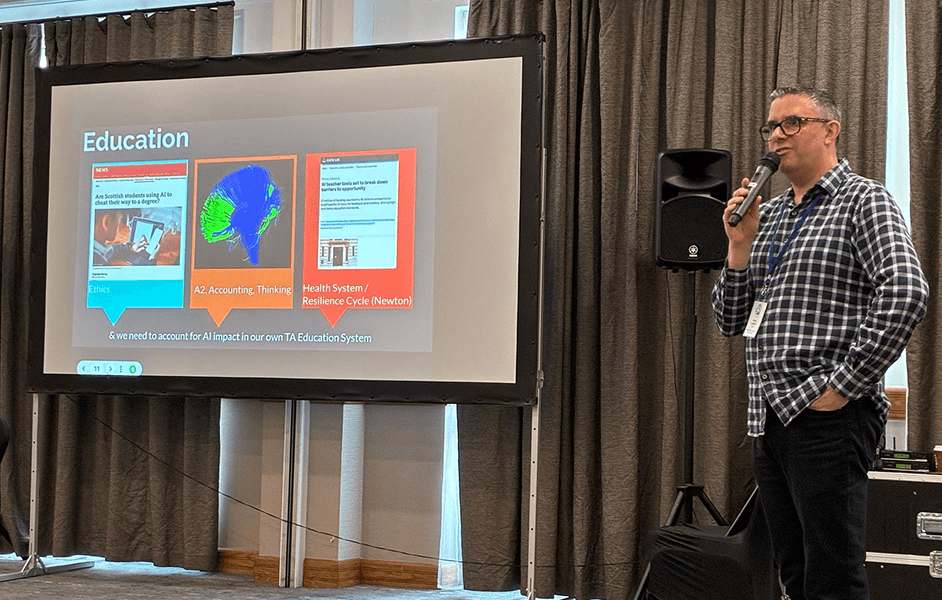
James Longwell works with Transactional Analysis (TA) as a practical way to understand people and organisations. For him, TA is a way of understanding the world psychologically. It is not about analysing others, but about making sense of what is happening — and working with it, together.
A central part of his approach is co-creation. This involves making meaning of the situation together, the direction for change, and how the work will move forward.
James specialises in organisational transactional analysis, focusing on change in leadership, culture, and strategy. He works with people who support organisations — helping them strengthen their professional practice and learn to use TA in their own work.
Common scenarios when Transactional Analysis can help
Become a psychologically literate leader
Psychological processes shape everyday life in organisations, yet they often go unnamed. Transactional Analysis offers a clear language to understand what is happening.
By developing psychological literacy, leaders can respond more effectively in their role.
Harness the power of TA to enhance your coaching or consulting practise
If you work as a coach or consultant, you may already have training and experience in your field.
Transactional Analysis can add a deeper psychological understanding of what is happening within and around your clients. This can help you enhance your practice and work more effectively.
Deepen your professional expertise by using TA
Whatever your role in an organisation, learning Transactional Analysis can help you become more effective in your work.
It supports individuals, teams, and whole organisations to become stronger and more effective in how they function and work together.
This can help you deepen your professional expertise and use TA more effectively in your professional context.
Training and supervision in Organisational Transactional Analysis
A range of training and supervision options to support your learning and professional development in Transactional Analysis.

Introductory Transactional Analysis Training (TA 101)
The TA 101 is the internationally recognised and certified introduction to Transactional Analysis.
This two-day programme introduces 12 core ideas from TA and provides a clear starting point for understanding this approach to psychology. It is the beginning of your learning pathway in Transactional Analysis.

AI Specific TA Training
AI is in the news everywhere, yet its psychological implications are only beginning to be understood.
These bespoke workshops support TA practitioners to understand the impact of AI on their practice. They provide a clear space to explore these changes and what they mean for professional work.

Organisational TA Supervision
Supervision sits at the heart of the Transactional Analysis learning process, supporting the ongoing development of professional practice. It is relevant both for those in formal TA training working towards CTA certification. And for coaches or consultants seeking professional supervision.
Offered in both one-to-one and group formats, it helps develop skills, behaviour, and capability. Supervision provides a broader perspective on your work, helping you better understand how you approach your role and how you can become more effective in it.
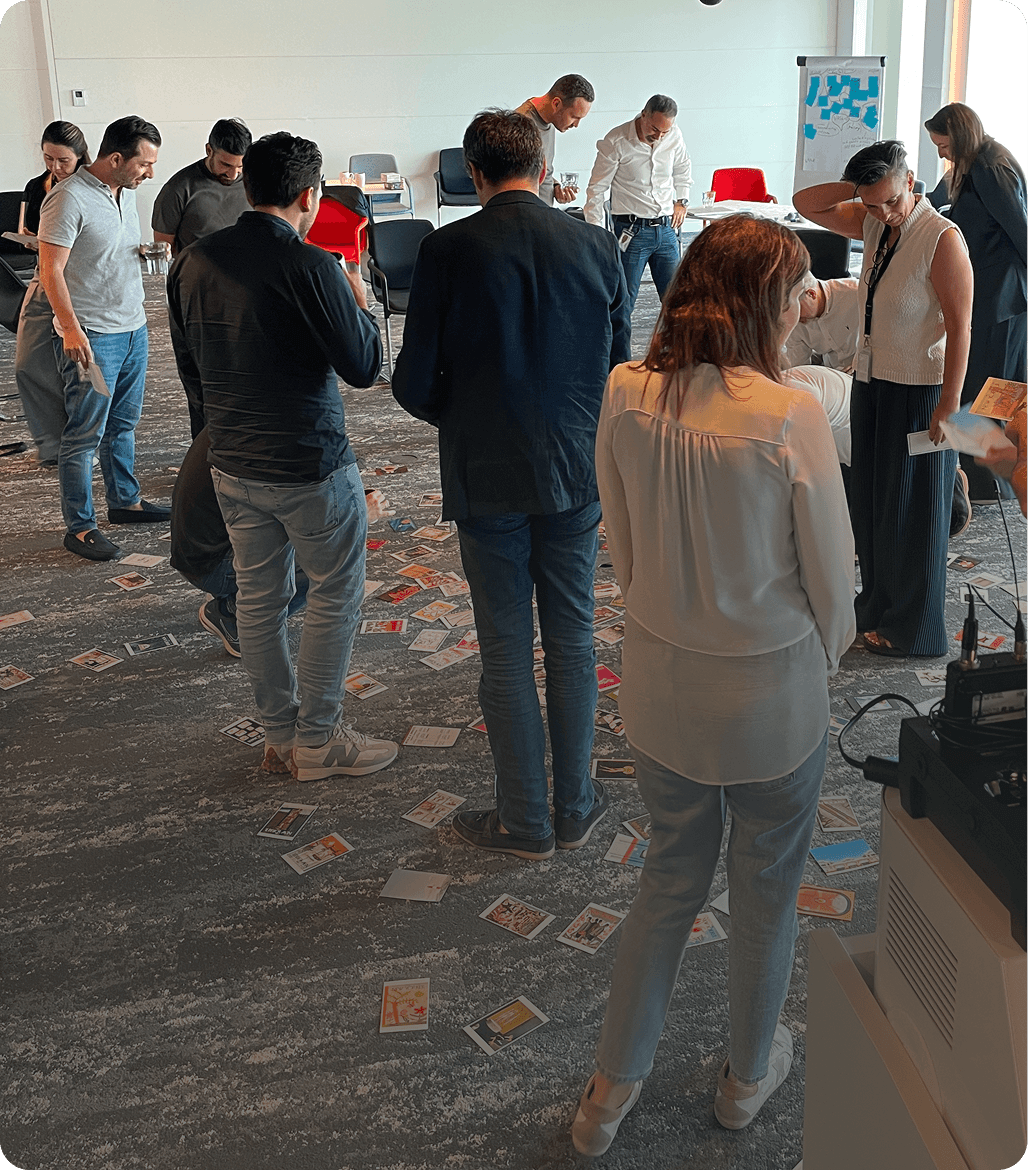
Organisational Transactional Analysis Training
If you have completed a TA 101 and are curious about organisational transactional analysis, this training offers a natural next step.
It introduces six key ideas and provides a clear foundation for understanding TA in organisational settings. It sets a platform for further learning.
Common questions about learning Transactional Analysis
-
Yes. All training and supervision offered here counts as formally recognised learning hours within the Transactional Analysis education pathway.
The TA 101 is signed off by the European Association for Transactional Analysis (EATA), and certificates are issued under this authorisation.
All other training and supervision can be counted towards the formal requirements of professional Transactional Analysis qualification pathways.
-
No. Starting with Transactional Analysis, including TA 101 and other introductory training, does not require you to enter counselling or therapy.
If you choose to continue your TA studies, working with a TA-trained counsellor or therapist can be helpful and is often recommended.
However, it is not required for introductory courses.
-
Supervision helps you gain a broader perspective on challenging situations, build more resources to deal with them, and improve your effectiveness in your professional role.
It is usually most effective when it takes place regularly, often on a monthly basis, though it can also be more frequent or arranged on demand.
Supervision is available one-to-one or in groups.
Please use the contact form to request further details on scheduled TA learning programmes.
Next TA learning programme dates
-
TA101 - Official intro to TA (Dublin in-person) 6th & 7th Oct 26
TA202 - Intro to Org TA (Virtual) 15th & 16th Oct 26
TA202 - Intro to Org TA (London in-person) 5th & 6th Nov 26
-
-